Bladder Cancer Treatment in Johor Bahru and Batu Pahat, Johor
Diagnosis and treatment of bladder tumours by consultant urologist Dato’ Dr Azhar Amir Hamzah, from cystoscopy and tumour removal to ongoing follow up.
What is bladder cancer?
Bladder cancer is cancer that starts in the lining of the bladder. The most common first sign is blood in the urine, often without any pain. Most bladder cancers are found while still in the inner lining, when they can be removed through the urethra without open surgery.
Symptoms
- Blood in the urine, visible or found on a urine test, often painless
- Passing urine often, or an urgent need to go
- Pain or burning when passing urine without an infection
- Pain in the lower back or pelvis in more advanced cases
Risk factors
- Smoking, the biggest risk factor
- Age over 55
- Long term contact with certain industrial chemicals, dyes or rubber
- Repeated bladder infections or long term catheter use
How Dato’ Dr Azhar assesses and treats bladder cancer
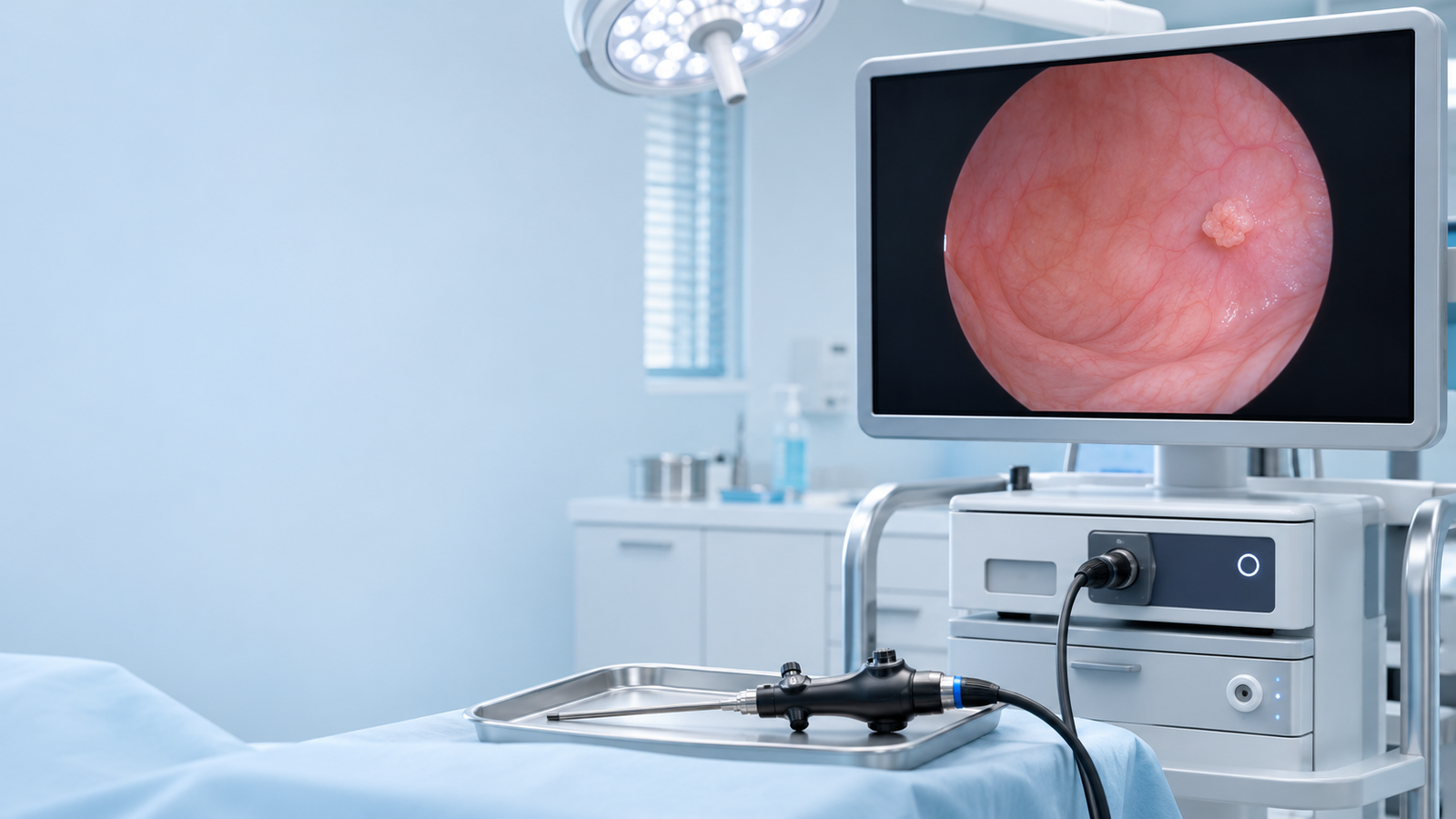
Dato’ Dr Azhar checks your urine and arranges a scan of the kidneys and bladder. A cystoscopy, a thin camera passed into the bladder, lets him see the bladder lining directly. If a tumour is found, he removes it through the urethra with an operation called TURBT (transurethral resection of bladder tumour), which also confirms the type and depth of the cancer.
Depending on the result, treatment may include medicine placed directly into the bladder to lower the chance of the cancer returning, regular cystoscopy checks, or more extensive surgery for cancer that has grown deeper. Chemotherapy or radiotherapy are arranged with an oncology team when needed.
When to see a urologist
- Any blood in the urine, even once and even if painless
- Blood found on a routine urine test
- Bladder symptoms with no infection found, especially if you smoke
FAQs
Is blood in the urine always cancer?
No. It is more often caused by infection or stones, but it should always be checked because bladder cancer is a possible cause.
Does bladder cancer come back?
It can, which is why regular cystoscopy checks are part of follow up. Treatment inside the bladder lowers this risk.
Is cystoscopy painful?
Most people feel only mild discomfort. It is done with numbing gel or under anaesthesia.